As families explore long-term care options for aging parents or loved ones recovering from illness, one common question arises: what’s the difference between home health nursing vs nursing home care? Both offer professional medical support, but they differ in environment, flexibility, and the level of independence they allow. Understanding these differences helps families make confident, informed decisions …

As families explore long-term care options for aging parents or loved ones recovering from illness, one common question arises: what’s the difference between home health nursing vs nursing home care?
Both offer professional medical support, but they differ in environment, flexibility, and the level of independence they allow. Understanding these differences helps families make confident, informed decisions about the best path for comfort, recovery, and quality of life.
This guide breaks down how home health nursing and nursing homes compare across key factors — including elderly care at home, independence, skilled care, patient outcomes, and Medicare/Medicaid coverage — to help you determine the best option for your loved one.
What Is Home Health Nursing?
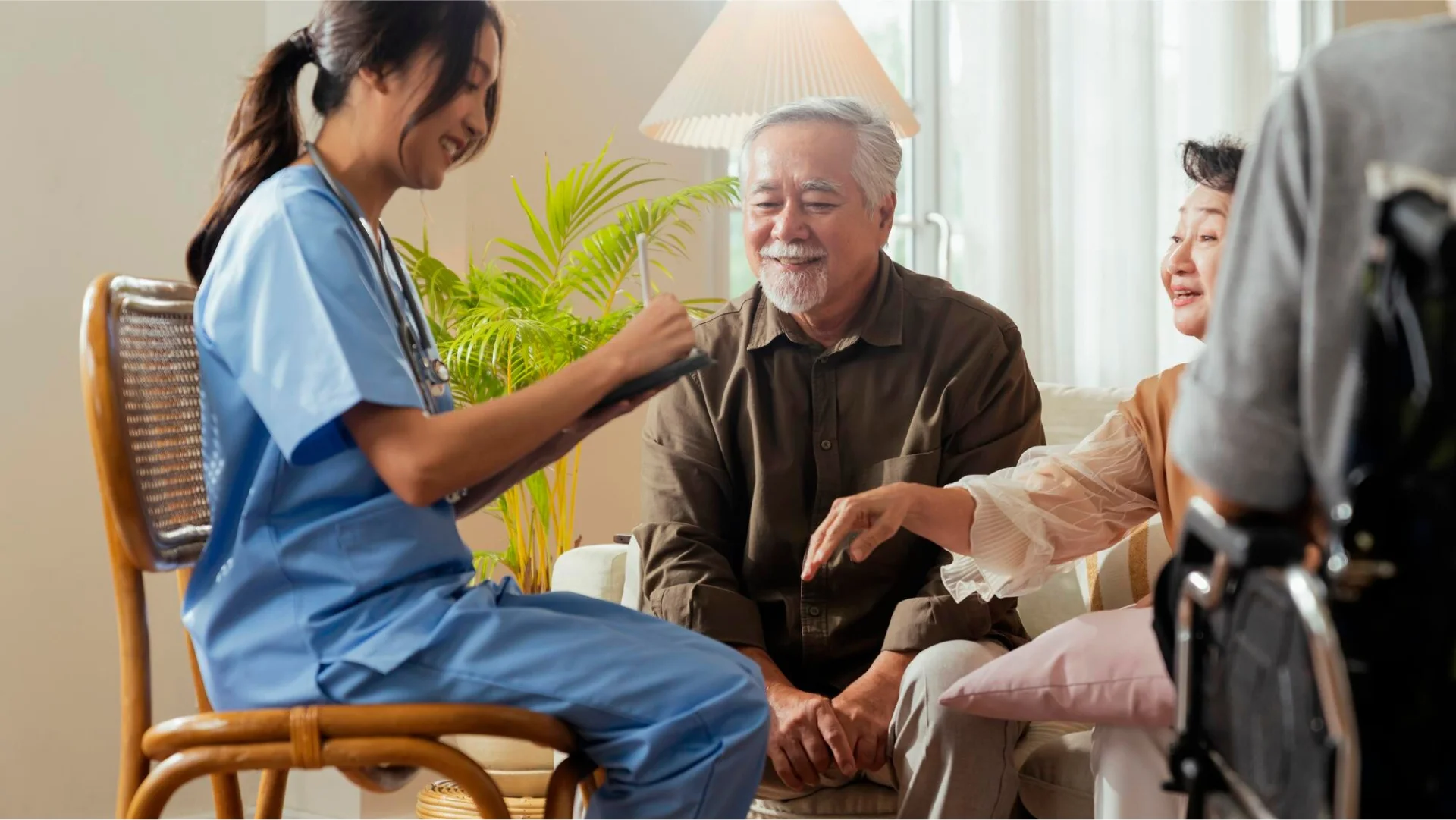
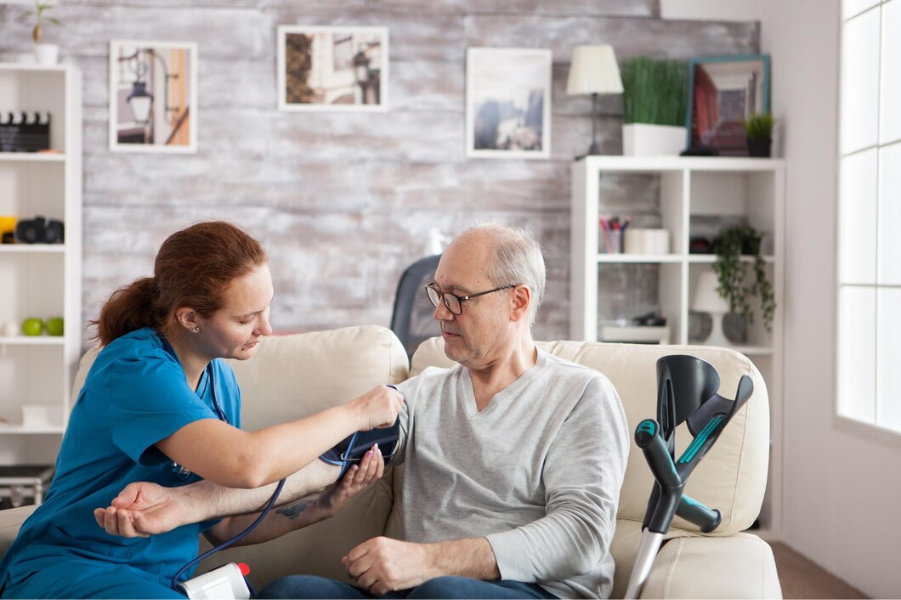
Home health nursing refers to professional healthcare services provided in the patient’s own home by licensed nurses or therapists. It’s designed for individuals recovering from illness, injury, or surgery, as well as those managing chronic conditions who prefer to remain in familiar surroundings.
A home health nurse provides skilled care based on a physician’s care plan. This care often includes:
- Medication management and injections
- Wound care and dressing changes
- Monitoring vital signs and chronic conditions
- Coordination with doctors and therapists
- Health education for patients and family members
With home health nursing, patients can receive hospital-level care without leaving home — an option that supports recovery and promotes independence.
What Is a Nursing Home?
A nursing home is a licensed residential facility where individuals live full-time and receive around-the-clock care. It provides medical supervision, rehabilitation services, and assistance with daily activities.
Nursing homes are ideal for individuals who need long-term medical monitoring or who are no longer able to manage daily living independently. Staff members typically include registered nurses, aides, and therapists who work together to meet residents’ medical and personal needs.
While nursing homes offer structure and consistent supervision, they often require residents to adapt to new routines, rules, and schedules — which can be challenging for those who value familiarity and autonomy.
Home Health Nursing vs Nursing Home: Key Differences
To understand which option best suits your family, it’s important to examine how home health nursing vs nursing home care differ in various aspects.
| Aspect | Home Health Nursing | Nursing Home |
| Setting | Patient’s own home | Residential care facility |
| Independence | High – patients stay in control of daily routines | Limited – facility schedules and routines apply |
| Type of Care | Short-term recovery or ongoing skilled care | Long-term, structured medical and personal care |
| Family Involvement | Frequent and flexible | More limited due to facility rules |
| Environment | Familiar and comfortable | Institutional but supervised |
| Medical Oversight | Coordinated through home visits and physician plans | Continuous on-site nursing staff |
Both settings deliver professional care, but the level of independence and environmental comfort differ significantly.
The Value of Independence in Care
One of the most notable differences between home health nursing vs nursing home care is independence.
In-home care allows patients — especially seniors — to maintain control over their daily routines. They can eat when they choose, sleep in their own bed, and stay close to loved ones and pets. This sense of normalcy often enhances emotional well-being and confidence.
For many older adults, remaining at home helps preserve dignity and connection. The familiar environment encourages better adherence to care routines and fosters a stronger sense of purpose.
By contrast, nursing home residents must follow structured schedules. While this can provide stability for some, it may feel restrictive to others who prefer autonomy.
The Level of Skilled Care Provided
Both home health nursing and nursing homes offer access to skilled care, but the delivery differs.
Home health nurses bring clinical-level expertise directly to the patient’s doorstep. They provide individualized medical attention tailored to the physician’s care plan. Examples include:
- Post-surgical recovery assistance
- Chronic illness management (such as diabetes or heart disease)
- Rehabilitation and therapy coordination
- Medication and wound care
In nursing homes, skilled care is available on-site 24/7. However, the nurse-to-patient ratio may limit how much personal time a nurse can dedicate to one resident. In contrast, home health nursing delivers one-on-one attention focused entirely on a single patient’s needs.
Elderly Care at Home: Comfort and Emotional Well-Being
For many families, the biggest advantage of elderly care at home is emotional comfort. Remaining in a familiar space can ease anxiety and promote faster recovery.
Seniors surrounded by their personal belongings, family members, and pets often feel more secure and motivated. The continuity of home life supports mental health and strengthens family bonds.
Moreover, home health nursing allows loved ones to stay actively involved in care decisions. Family participation improves communication between the nurse, patient, and physician, fostering trust and understanding.
Patient Outcomes: Recovery and Quality of Life
Research consistently shows that patient outcomes can improve with in-home healthcare. Patients recovering at home often experience:
- Fewer hospital readmissions
- Faster recovery times
- Better medication adherence
- Greater satisfaction and comfort
The personalized attention provided by home health nurses enables early detection of potential health issues, leading to proactive intervention.
While nursing homes provide a structured environment and access to medical professionals, the communal setting can expose residents to higher risks of infections and stress from unfamiliar surroundings. In contrast, the home environment supports recovery through comfort and reduced exposure to external risks.
Medicare and Medicaid Coverage
When comparing home health nursing vs nursing home options, understanding Medicare/Medicaid coverage is important.
Medicare typically covers home health services that are medically necessary and prescribed by a physician. This can include part-time skilled nursing, therapy, and certain medical supplies. Medicaid coverage varies by state but often supports long-term in-home or facility-based care for eligible individuals.
Families are encouraged to review eligibility requirements with healthcare professionals or local agencies. This ensures that patients receive the right care under appropriate coverage without unexpected gaps in service.
Cost Considerations Beyond Price
While this blog avoids discussing specific prices or costs, it’s essential to understand that cost comparison between care options often depends on several factors:
- The level of medical need
- Frequency and duration of care
- Type of healthcare professionals required
Instead of focusing solely on financial aspects, families should evaluate value, comfort, and outcomes. Sometimes, maintaining independence and receiving personalized care at home outweighs the benefits of a fully structured environment.
Choosing the Right Option for Your Loved One
When evaluating home health nursing vs nursing home care, consider the following questions:
- Does your loved one prefer to stay at home or in a supervised setting?
- What is the current level of medical need?
- How involved can family members be in daily care?
- What does the physician recommend for long-term support?
- What type of skilled care will ensure safety and comfort?
Every family’s situation is unique. Some may benefit from short-term home health nursing after a hospital discharge, while others may choose long-term facility care for complex health needs.
The Role of Family in Home Health Nursing
Family involvement is a cornerstone of home health nursing. Unlike in a facility, families can observe care firsthand, ask questions, and learn how to assist with medications, mobility, and follow-up routines.
This collaboration enhances continuity and strengthens emotional support. The partnership between nurses and families ensures that care plans are followed consistently — even when medical professionals are not present.
Benefits of Home Health Nursing at a Glance
- Personalized Care: Individual attention tailored to each patient’s medical condition.
- Comfort of Home: Familiar surroundings promote peace of mind.
- Greater Independence: Patients maintain control of their routines.
- Improved Patient Outcomes: Faster recovery and fewer hospital readmissions.
- Family Involvement: Loved ones participate directly in care and support.
- Professional Skilled Care: Licensed nurses deliver medical expertise at home.
These benefits make home health nursing a compassionate, effective choice for patients seeking quality care without losing their sense of home.
Conclusion: Making the Right Choice for Care and Comfort
Choosing between home health nursing vs nursing home care is a deeply personal decision. Each option provides valuable services, but your loved one’s preferences, medical needs, and lifestyle will determine which is best.
For individuals who value independence, personalized attention, and emotional comfort, elderly care at home through professional home health nursing offers an ideal balance of compassion and clinical skill. Families can rest assured that a skilled nurse is providing consistent medical care — right where their loved one feels most secure.
If you’re ready to explore customized home health options, contact our nursing team today. We’re here to guide you with professional insight, care coordination, and compassion every step of the way.