Private duty nursing is a vital part of modern home healthcare. It provides one-on-one, skilled medical support for patients in the comfort and safety of their own homes. Families often turn to this service when their loved ones need medical assistance beyond what a traditional caregiver can provide. This guide explains what private duty nursing is, how it …

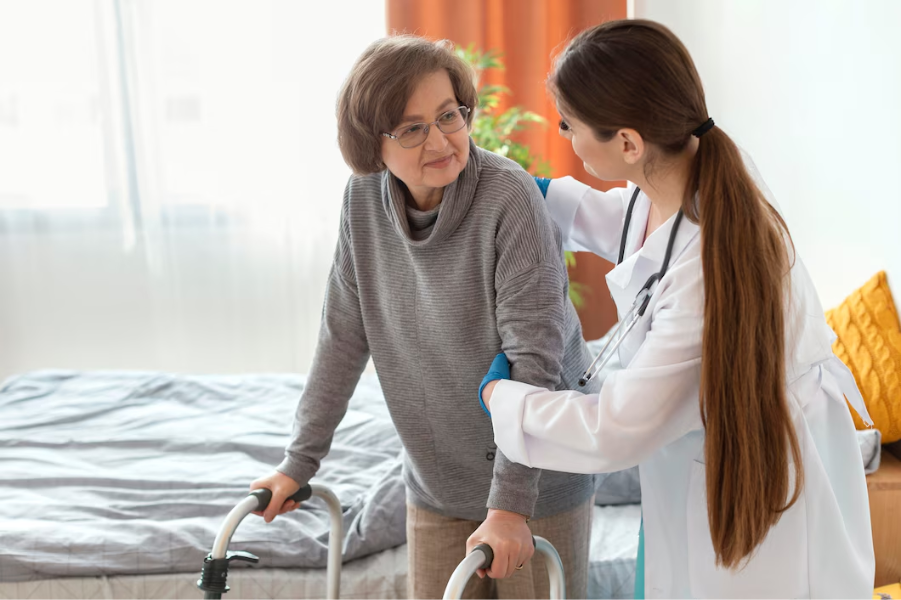
Private duty nursing is a vital part of modern home healthcare. It provides one-on-one, skilled medical support for patients in the comfort and safety of their own homes. Families often turn to this service when their loved ones need medical assistance beyond what a traditional caregiver can provide.
This guide explains what private duty nursing is, how it works, and why it’s an invaluable choice for families who want compassionate, professional care. You’ll also learn about the benefits, service options, and the difference between a private duty nurse and a caregiver.
Understanding What Private Duty Nursing Is
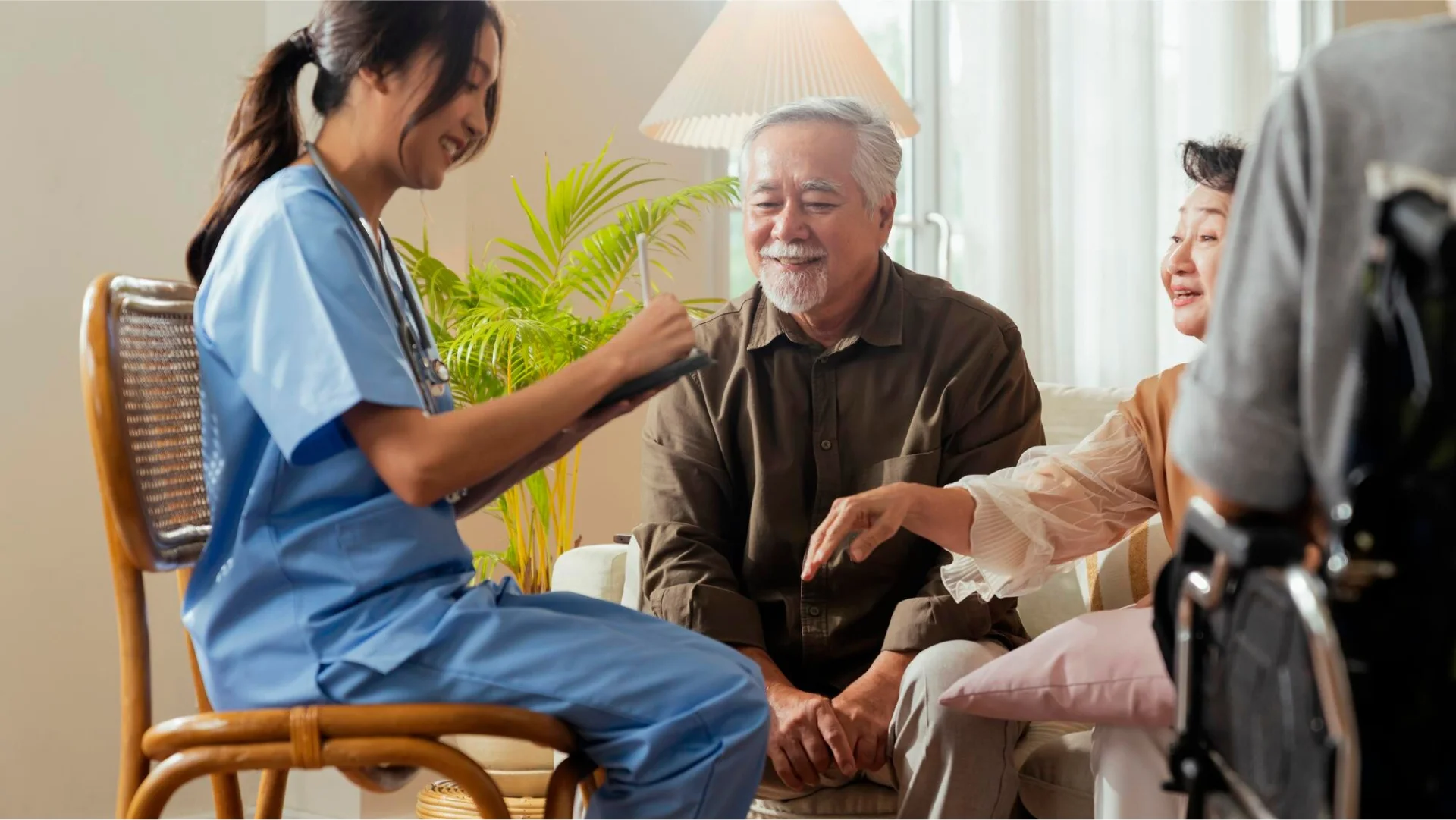
Private duty nursing (PDN) is a specialized form of in-home nursing care provided by licensed professionals — typically Registered Nurses (RNs) or Licensed Practical/Vocational Nurses (LPNs/LVNs). These nurses deliver continuous, medical-grade care for patients who need more than standard home assistance.
While a home health aide might help with bathing or meals, a private duty nurse manages complex medical needs. Services can include:
- Administering medication or IV therapy
- Managing ventilators or tracheostomy care
- Monitoring vital signs
- Wound care and infection prevention
- Coordinating with physicians and therapists
Private duty nursing bridges the gap between hospital care and home comfort, offering safety, stability, and medical supervision in a familiar environment.
How In-Home Nursing Care Works
In-home nursing care allows patients to receive hospital-quality medical attention while enjoying the comfort and familiarity of their home. The care plan is typically based on a doctor’s orders and designed to meet the patient’s unique medical needs.
During each visit or shift, the nurse assesses the patient’s condition, documents changes, and performs necessary treatments. Services may include:
- Medication management and education
- Tube feedings and injections
- Respiratory support (oxygen or suctioning)
- Monitoring of chronic illnesses
- Post-operative recovery assistance
This personalized model ensures that every patient receives care that adapts to their evolving health needs. It’s especially beneficial for patients who prefer in-home nursing care to long hospital stays or facility-based treatment.
Pediatric Nursing: Compassionate Care for Children
For children with complex medical needs, pediatric nursing brings both clinical expertise and emotional comfort. Pediatric private duty nurses specialize in caring for infants, children, and teens with chronic illnesses, congenital disorders, or post-surgical recovery needs.
Common pediatric nursing services include:
- Ventilator and tracheostomy management
- Feeding tube assistance
- Medication and injection administration
- Seizure monitoring and emergency response
- Coordination with pediatric specialists
In addition to skilled care, pediatric nurses provide emotional support to children and families. Their presence ensures a sense of normalcy at home while maintaining the highest standard of medical care.
Senior Care Through Private Duty Nursing
As loved ones age, medical conditions can make independent living more challenging. Private duty nursing for seniors offers professional support while preserving dignity, independence, and comfort.
Private duty nurses help seniors manage:
- Chronic illnesses such as diabetes, heart disease, or COPD
- Post-hospital recovery and wound care
- Medication reminders and injections
- Monitoring vital signs to detect early complications
Unlike general home care, which focuses on daily assistance, senior care through private duty nursing ensures that complex health conditions are monitored by trained professionals. This approach gives families peace of mind knowing that their loved one receives reliable, skilled attention every day.
Skilled Nurse at Home: The Difference From a Caregiver
It’s common for families to wonder about the difference from caregiver roles when exploring home care options. While caregivers and nurses both support patients, their training, responsibilities, and licensing are very different.
| Aspect | Private Duty Nurse | Caregiver / Home Health Aide |
| Qualification | Licensed RN or LPN/LVN | Trained aide, non-licensed |
| Duties | Medical procedures, medication management, wound care | Help with daily living (bathing, meals, errands) |
| Scope of Care | Skilled medical care | Personal and supportive care |
| Supervision | Works under physician’s care plan | Supervised by nurse or agency |
A skilled nurse at home can perform complex procedures, coordinate with doctors, and ensure continuity of care that meets professional medical standards. A caregiver, on the other hand, offers companionship and daily support. Many families combine both services to meet physical, emotional, and medical needs.
Hourly vs Live-In Private Duty Nursing
One major consideration when planning care is choosing between hourly vs live-in private duty nursing.
Hourly Nursing Care
Families who need part-time medical supervision often choose hourly care. This could involve overnight monitoring, medication management, or daily health assessments. It provides flexibility and affordability for patients who don’t need 24-hour care.
Live-In Nursing Care
Live-in care provides around-the-clock medical attention. A nurse may reside in the home or work extended shifts to ensure consistent observation and immediate response to any health changes. This option is ideal for patients with complex, high-acuity conditions such as ventilator dependence or post-surgical recovery.
Choosing between hourly vs live-in care depends on the patient’s medical condition, lifestyle, and level of independence.
Benefits of Private Duty Nursing
Families who choose private duty nursing experience numerous benefits beyond convenience. Here are some of the most significant advantages:
1. Personalized One-on-One Care
Each patient receives individualized medical attention that aligns with their unique needs and goals.
2. Comfort and Familiarity
Being cared for at home promotes emotional well-being and reduces the risk of hospital-acquired infections.
3. Continuity and Consistency
Private duty nurses often work with the same patient long-term, ensuring stable and familiar care.
4. Professional Medical Oversight
Nurses follow physician-approved care plans and adjust treatments as conditions evolve.
5. Peace of Mind for Families
Knowing a qualified, skilled nurse at home is watching over your loved one brings reassurance and comfort.
Coordination and Communication in Home Care
Strong communication is key to effective private duty nursing. Nurses maintain detailed records, update families, and collaborate closely with physicians and therapists.
They also coordinate with:
- Physical and occupational therapists
- Nutritionists and dietitians
- Social workers and case managers
This teamwork ensures comprehensive, in-home nursing care that covers both medical and lifestyle needs.
Training and Qualifications of Private Duty Nurses
Private duty nurses must meet strict licensing and certification requirements to ensure patient safety and high-quality care.
Typical qualifications include:
- Active Registered Nurse (RN) or Licensed Practical/Vocational Nurse (LPN/LVN) license
- Certifications in Basic Life Support (BLS), Advanced Cardiac Life Support (ACLS), or Pediatric Advanced Life Support (PALS)
- Specialized training in pediatric nursing, senior care, or critical care
- Ongoing education to stay current with medical standards
Families can trust that each skilled nurse at home is trained to deliver care that meets professional and ethical standards.
When to Consider Private Duty Nursing
You may want to explore private duty nursing if:
- A loved one is being discharged from the hospital but still needs skilled care
- Managing chronic illness at home feels overwhelming
- Pediatric or senior family members require continuous medical support
- Frequent clinic visits disrupt daily routines
In all these cases, in-home nursing care offers a balanced solution — professional healthcare delivered in the comfort of home.
How to Begin Private Duty Nursing Services
Starting private duty nursing is a simple and guided process. Families usually:
- Obtain a physician’s order or recommendation.
- Contact a licensed home nursing agency.
- Schedule an in-home assessment.
- Create a personalized care plan tailored to medical and lifestyle needs.
Conclusion: Personalized, Compassionate, and Skilled Care at Home
Understanding what private duty nursing is empowers families to make confident choices about long-term health support. This specialized service blends professional skill, compassion, and consistent care — allowing patients to stay where they feel safest and happiest: at home.
Whether it’s a child with complex medical needs, an elderly loved one who requires extra attention, or an adult recovering from surgery or illness, private duty nursing provides comprehensive, compassionate, and skilled care for every stage of life.
To learn more or discuss a personalized care plan for your loved one, contact our nursing team today.